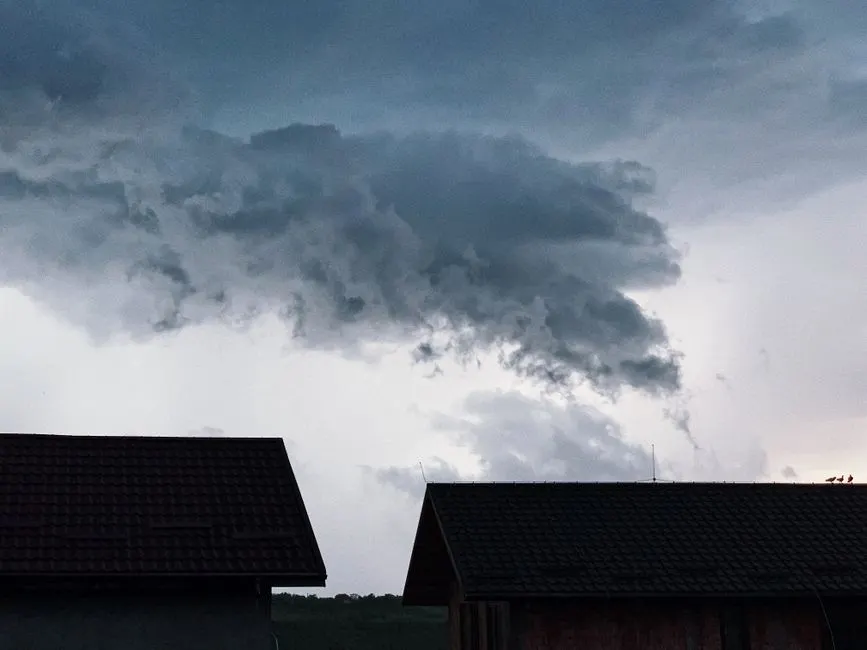
Fort Pierce ceilings fail during hurricane season because wind-driven rain pushes past roof edges, ridge vents, and aging pipe boots, then travels along framing until it drips through the ceiling. The damage rarely starts at the ceiling itself - it starts at the roof and the attic, and the ceiling is just where you finally see it. Hurricane season ceiling prep for Fort Pierce homes is the work you do in the dry weeks before a storm, not during one, and it is the difference between a small stain and a collapsed ceiling panel. Below is the checklist our technicians run on Fort Pierce homes, the specific failure points we see on the Treasure Coast, and what to fix before the next named storm.
Why Fort Pierce ceilings fail during hurricane season
Fort Pierce sits in a stretch of the Treasure Coast that takes direct hits and near-misses from June through November, and the ceilings in local homes show it. The failure pattern is consistent: rain gets in at the roof, the attic insulation soaks it up, and the ceiling drywall holds the moisture until it sags, stains, or lets go.
Three local conditions drive most of the ceiling damage we repair:
- Wind-driven rain at the roof edge. Sustained winds of 60 to 100 mph push water sideways and upward, past drip edges and under shingles. Water that would normally run off instead runs in.
- Older roofs in older neighborhoods. A large share of Fort Pierce housing stock is 30 to 60 years old. Pipe boots, flashing, and ridge caps on those roofs are past their service life, and hurricane season finds every weak point.
- Humidity that never leaves. Even without a direct hit, a week of rain and 90% relative humidity keeps attic wood and ceiling drywall damp. That is the condition mold needs.
We see this pattern across the city, from Ceiling Water Damage Repair in Downtown Fort Pierce where 1920s commercial buildings and older homes share the same aging roof details, to the newer construction near the inlet. The building age changes the fix, not the cause.
How do I prepare my ceiling for hurricane season in Fort Pierce?
You prepare your ceiling by fixing the roof and attic above it before the storm, sealing the penetrations rain gets through, and documenting the ceiling's condition so you have a baseline if a claim is needed. Start in May, not the week a storm is named - contractors get booked solid once a system enters the cone.
Here is the sequence we recommend for Fort Pierce homeowners:
- Walk the attic in dry weather. Look for daylight through the roof deck, dark water staining on rafters, and damp or compressed insulation. Stained rafters mean water is already getting in.
- Check the ceiling from below. Discoloration, bubbling paint, a soft spot when you press gently, or a hairline crack that has widened since last year all point to moisture above.
- Seal roof penetrations. Pipe boots, vents, and chimney flashing are the most common entry points. A tube of roof sealant and a few hours on a ladder in April prevent most of the ceiling leaks we see in September.
- Clear gutters and downspouts. A clogged gutter backs water up under the roof edge and into the ceiling at the wall line. This is the single cheapest fix on the list.
- Trim trees back from the roof. A limb that scrapes shingles in a 40 mph gust opens a path for rain. Keep branches at least 6 feet off the roof.
- Photograph every ceiling. Date-stamped photos of a clean, dry ceiling are the baseline an adjuster wants after a storm.
- Fix existing leaks now. A ceiling that already drips in a normal thunderstorm will not survive a hurricane. Repair it before the season, not after.
If you would rather have someone else do the walk-through, our team handles ceiling water damage inspection Fort Pierce FL before storm season and gives you a written condition report you can keep for insurance.
What ceiling checks should Fort Pierce homeowners do before a hurricane?
Before a hurricane, Fort Pierce homeowners should check four things on the ceiling: water stains, sagging, soft drywall, and the condition of the attic above it. Do these checks 48 to 72 hours before landfall, when you still have time to act.
Run through this list:
- Stains. Any brown or yellow ring, even a faint one, means water has been there. A new stain after a rain band is an active leak.
- Sag. Stand back and look across the ceiling at a low angle. A dip that was not there last month is a structural warning, not a cosmetic one.
- Soft spots. Press the back of your hand (not a finger) against any suspect area. Drywall that gives is saturated and needs to come out.
- Attic above. If it is safe to enter, check for damp insulation, a wet roof deck, or a musty smell. Those tell you the ceiling below is next.
- Ceiling-mounted fixtures. A ceiling fan or light that wobbles more than usual can mean the box or the drywall around it has softened.
If you find a sag or a soft spot, do not wait for the storm. A saturated ceiling panel can drop with the weight of the water it is holding. Call for ceiling sag repair Fort Pierce FL and get it stabilized before the wind arrives.
The pre-hurricane ceiling inspection: what we look for
A pre-hurricane ceiling inspection is a 60- to 90-minute assessment of the ceiling, the attic above it, and the roof details that feed it. We do these in Fort Pierce from April through June, before the season peaks, and again in the 72 hours before a named storm when a homeowner is worried about a specific spot.
Here is what we check, in order:
- Moisture readings. We use a pin-type and a pinless moisture meter on every ceiling plane. Drywall above 16% moisture content is holding water even if it looks fine.
- Attic deck and framing. Stained rafters, soft sheathing, and wet insulation tell us where the roof is failing.
- Penetrations. Pipe boots, exhaust vents, and ridge vents get a close look. Cracked rubber boots are the number one source of ceiling leaks we find in Fort Pierce homes.
- Flashing and drip edge. Lifted or rusted flashing at walls and chimneys lets wind-driven rain in sideways.
- Insulation condition. Compressed, wet, or missing insulation means the ceiling below has no buffer. We flag it for ceiling insulation replacement Fort Pierce FL if it is saturated.
- Existing repairs. Old patches that were painted over instead of dried out will fail again in the first storm.
You get a written report with photos, moisture readings, and a prioritized list of what to fix before the season and what can wait. That report is also what your insurance adjuster will want if a storm does cause damage.
Does hurricane season cause ceiling water damage in Fort Pierce FL?
Yes. Hurricane season is the leading cause of ceiling water damage in Fort Pierce, and the damage often appears days or weeks after the storm passes. Wind-driven rain enters at the roof, saturates the attic, and the ceiling below shows it later as a stain, a sag, or a mold patch.
The numbers behind that: Fort Pierce averages about 55 to 60 inches of rain a year, and a large share of it falls between June and November. A single tropical system can drop 8 to 15 inches in 24 hours. When that much water hits a roof with a cracked pipe boot or lifted flashing, the ceiling takes it.
Two things surprise homeowners after a storm:
- The leak shows up late. Drywall and insulation hold water for days. A ceiling that looks fine the morning after a storm can stain a week later.
- Mold starts fast. In Fort Pierce's heat and humidity, mold can begin growing on wet ceiling drywall in 24 to 48 hours. That is why we treat every storm-related ceiling leak as urgent.
If your ceiling is already wet from a storm, our team handles hurricane water damage ceiling repair Fort Pierce FL - extraction, drying, and repair - so the damage stops at the ceiling instead of spreading into the walls and framing.
Common mistakes we see in Fort Pierce ceiling prep
The most common mistake is painting over a water stain instead of finding the leak. Paint hides the evidence, the water keeps coming, and the next storm turns a small repair into a ceiling replacement.
Other mistakes we run into every season:
- Waiting until a storm is named. By then, roofers and restoration crews are booked, and supply runs short. Prep in May, not in September.
- Sealing the ceiling instead of the roof. Caulking a ceiling crack does nothing if the water is entering 20 feet away at a pipe boot.
- Ignoring the attic. The ceiling is the symptom. The attic and roof are where the problem lives.
- Skipping the baseline photos. Without before-storm photos, an adjuster has a harder time separating old damage from new.
- Running the AC wide open during a power flicker. A surge can trip the system and leave the house humid right when you need it dry. Unplug sensitive electronics and set the thermostat reasonably.
- Not documenting pre-existing damage. If your ceiling already had a stain, photograph and note it. It protects you in a claim.
If you are not sure whether a stain is old or new, a quick moisture reading settles it. We include that in every ceiling water damage assessment Fort Pierce we do before storm season.
When to call a professional
Call a professional when you see a sag, a soft spot, a stain that grows after rain, or a musty smell in the attic - those are not DIY fixes. A sagging ceiling can collapse, and mold behind drywall needs proper containment and removal, not a coat of stain blocker.
We handle the full sequence: find the leak, dry the ceiling and attic, replace what is saturated, and repair the drywall so it looks like nothing happened. If a storm is already in the forecast, we prioritize pre-storm stabilization so your ceiling holds through the wind and rain.
Ceiling Water Damage Repair Fort Pierce works on ceilings across the city and the surrounding Treasure Coast. If you want a second opinion before the season, or you are looking at a stain right now and not sure how bad it is, call us and we will tell you straight.
Frequently Asked Questions
How do I prepare my ceiling for hurricane season in Fort Pierce?
Fix any existing leaks, seal roof penetrations like pipe boots and flashing, clear gutters, trim trees back 6 feet, and photograph every ceiling as a baseline. Do this in May or early June, before the season peaks, so you are not competing for a contractor's time once a storm is named.
What ceiling checks should Fort Pierce homeowners do before a hurricane?
Check for water stains, sagging, soft drywall, and a damp or musty attic above. Press the back of your hand against suspect spots and look across the ceiling at a low angle for dips. Do these checks 48 to 72 hours before landfall while you still have time to act.
Does hurricane season cause ceiling water damage in Fort Pierce FL?
Yes. Wind-driven rain enters at the roof, soaks the attic insulation, and shows up on the ceiling as a stain, sag, or mold patch - often days after the storm. Fort Pierce gets 55 to 60 inches of rain a year, much of it from June through November, and mold can start on wet drywall within 24 to 48 hours.
Who can inspect my ceiling before hurricane season in Fort Pierce?
Ceiling Water Damage Repair Fort Pierce does pre-season ceiling inspections with moisture readings, attic checks, and a written report you can keep for insurance. We schedule these from April through June and offer priority pre-storm checks when a system is in the forecast.
How much does ceiling water damage repair cost in Fort Pierce in 2026?
Typical 2026 pricing in this area runs $350 to $900 for a small stain and drywall patch, $1,200 to $3,500 for a saturated ceiling section with drying and insulation replacement, and more if structural repair or mold remediation is needed. A pre-season inspection is the cheapest line item on the list.
Get help with Ceiling Water Damage Repair in Fort Pierce
If your ceiling has a stain, a sag, or a soft spot going into hurricane season, get it looked at before the next storm. We inspect, dry, and repair ceilings across Fort Pierce and the Treasure Coast, and we will tell you honestly whether it can wait or needs to be fixed now.
Call Ceiling Water Damage Repair Fort Pierce at 772-362-4722 to schedule a pre-hurricane ceiling inspection or an emergency repair.