Basic Service
$89 starting · per visit
- Diagnostic visit
- Written estimate
- Same-day scheduling
- 30-day warranty
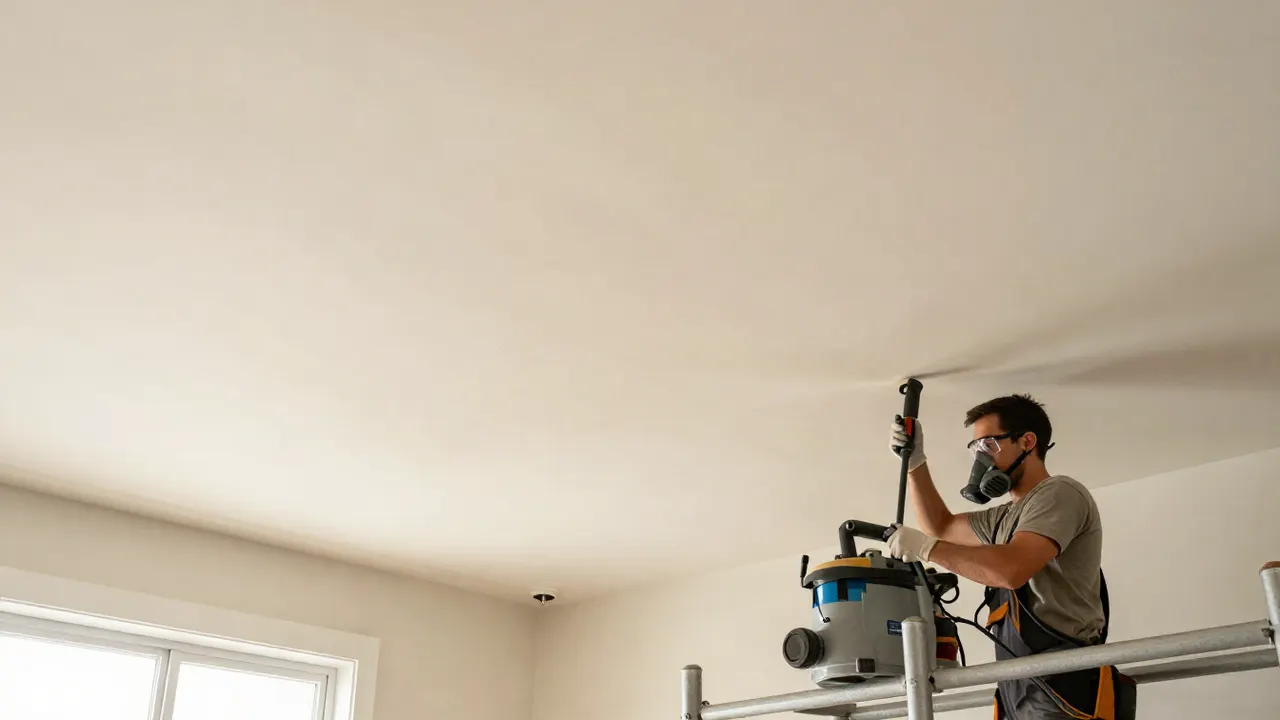
Ceiling Water Damage Repair in St. Lucie Village is restoration work that stops active leaks, extracts standing water, dries ceiling cavities, and rebuilds damaged drywall and insulation. We have served this historic riverfront village since 2015, and the calls we get here look different from anywhere else in St. Lucie County. The housing stock along Indian River Drive and Old Dixie Highway includes homes built in the 1920s through the 1970s, many with original wood framing, older roof decks, and ceiling insulation that has been wet before. Salt air off the Indian River Lagoon corrodes flashing and fasteners, and summer humidity keeps ceiling cavities damp long after a storm passes. When you search for St. Lucie Village ceiling water damage repair, you need a crew that understands how these older homes dry. We use thermal imaging cameras to map moisture behind drywall without tearing out more than necessary, then set Dri-Eaz dehumidifiers and air movers to pull the cavity dry. If you need the best ceiling water damage repair St. Lucie Village FL has available, we back every job with IICRC-certified technicians and a written scope before work starts.
When you need ceiling water damage repair near St. Lucie Village, the scope depends on how long water has been sitting. A roof leak that started last night is a different job than a slow drip that has been soaking ceiling insulation for three weeks. We handle both, plus everything in between. Every job starts with a full inspection using moisture meters and infrared leak detectors so we know exactly what is wet before we cut anything.
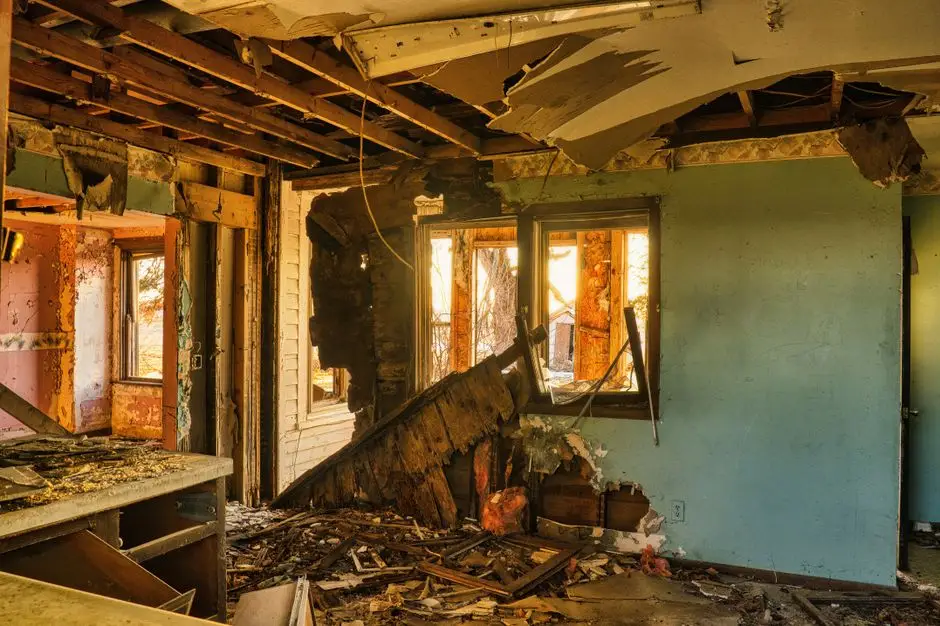

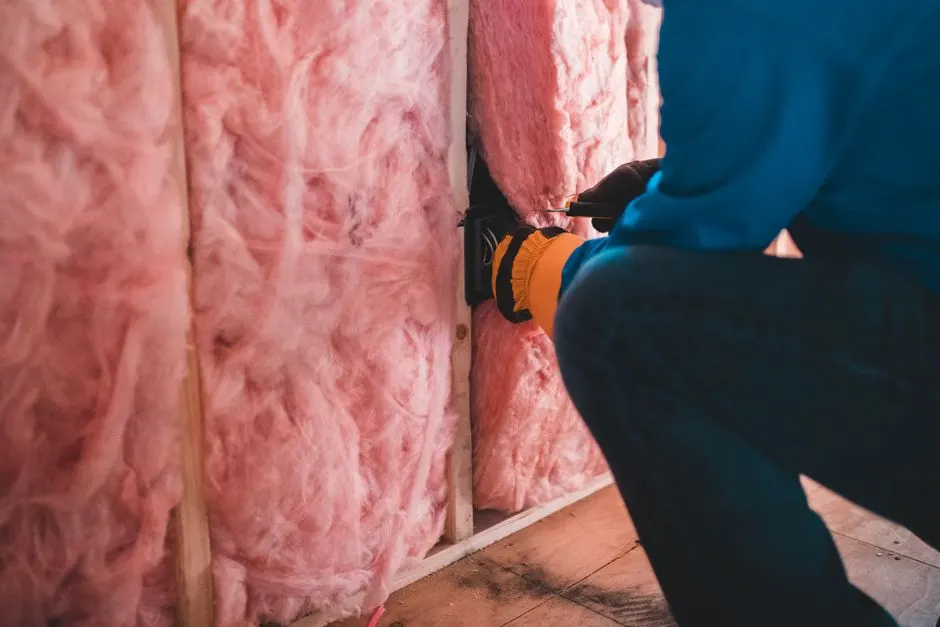

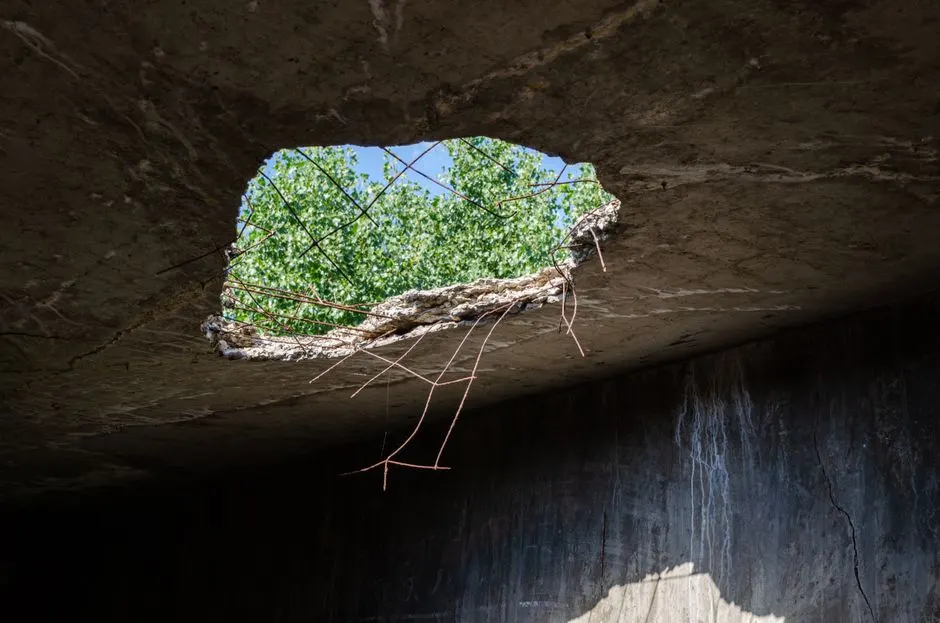
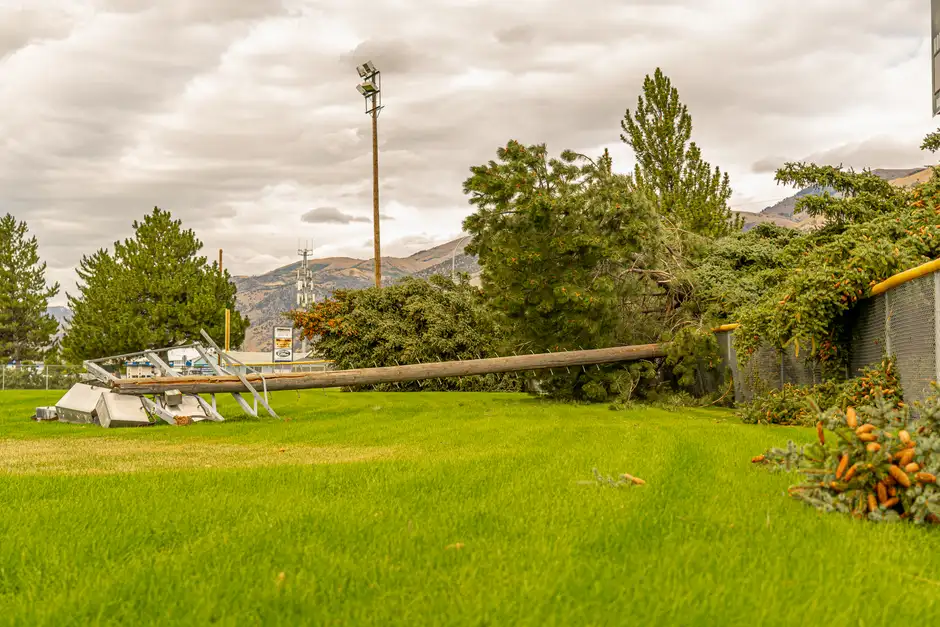
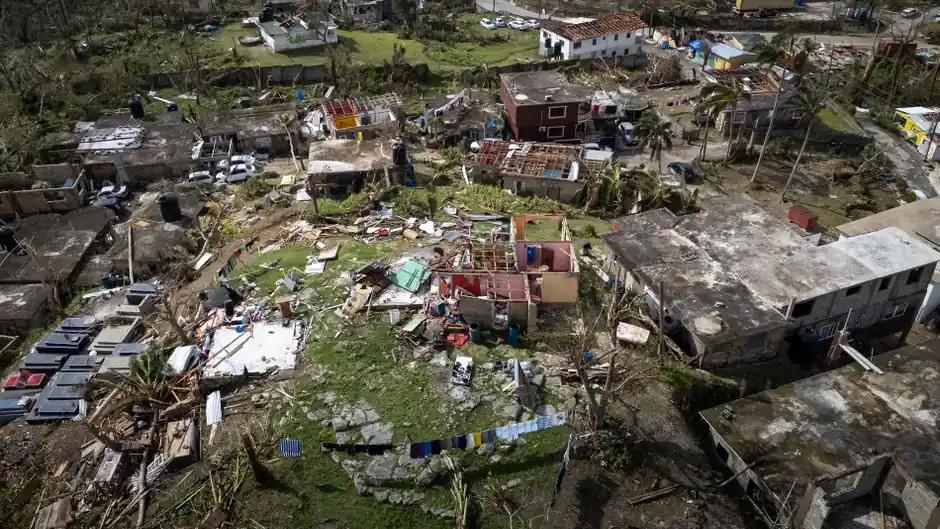
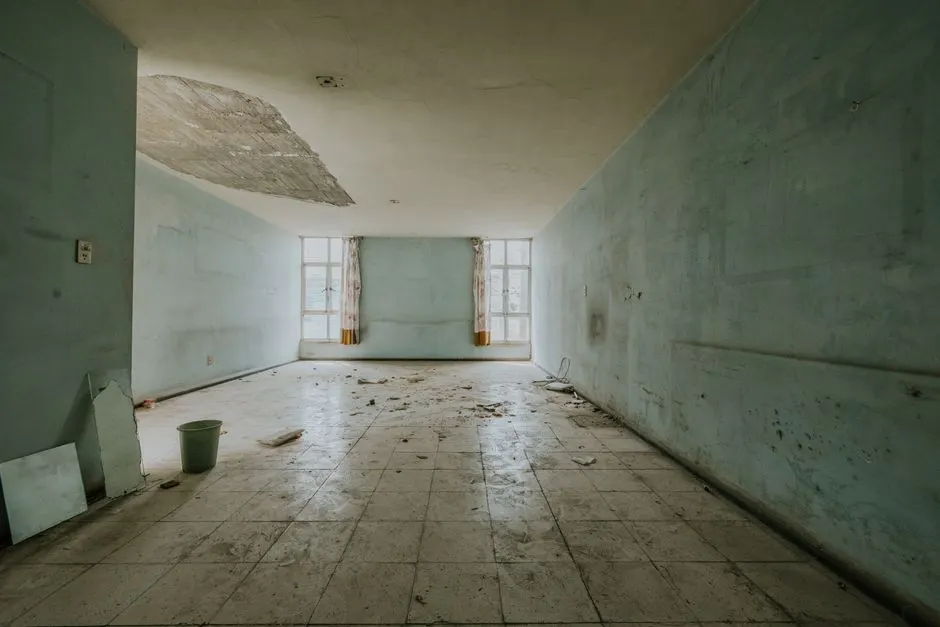
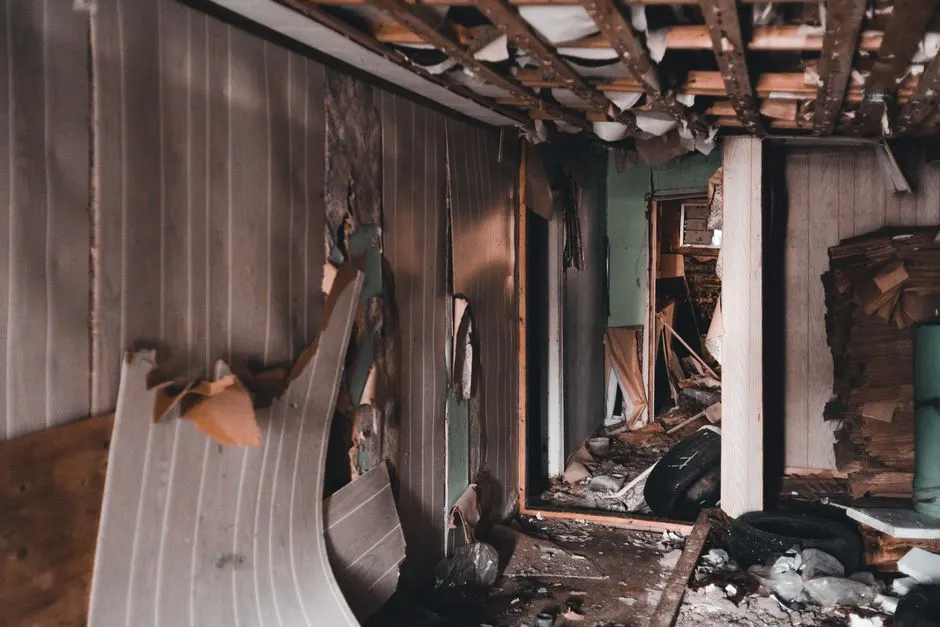
St. Lucie Village has a specific set of conditions that drive ceiling water damage. Salt air from the Indian River Lagoon corrodes flashing. High humidity keeps ceiling cavities damp. Older homes have original construction that does not dry as fast as newer builds. If you need ceiling water damage repair company St. Lucie Village homeowners trust, we know these problems because we see them every week.
Salt air off the Indian River Lagoon corrodes roof flashing and fasteners faster than inland. Homes along Indian River Drive and near the water are most affected. Once flashing fails, water finds its way into the ceiling cavity.
St. Lucie Village humidity runs high most of the year. A slow leak that would dry out inland stays wet here. Mold can start growing on ceiling drywall in 48 to 72 hours. Older homes with original insulation are at higher risk.
Many St. Lucie Village homes have original wood framing and ceiling drywall that has been patched before. A slow leak that goes unnoticed for weeks saturates the drywall until it sags. If the framing stays wet, it can rot.
St. Lucie Village sits between the Indian River Lagoon and US-1. Storm surge and wind-driven rain push water under roof edges and through aging flashing. Hurricane seasons in 2017 and 2022 brought significant ceiling damage to the village.
Ceiling water damage in St. Lucie Village does not always announce itself with a drip. Sometimes the first sign is a stain, a smell, or a ceiling that feels soft. If you are searching for ceiling water damage repair near me St. Lucie Village FL, here are the signs that mean you should call.
Brown or yellow water rings on the ceiling
Water rings mean moisture has been sitting in the drywall long enough to stain it. In St. Lucie Village humidity, that moisture can feed mold within 48 to 72 hours. Even if the ring is dry to the touch, the cavity behind it may still be wet. We test with a moisture meter before recommending repair.
Ceiling paint bubbling or peeling
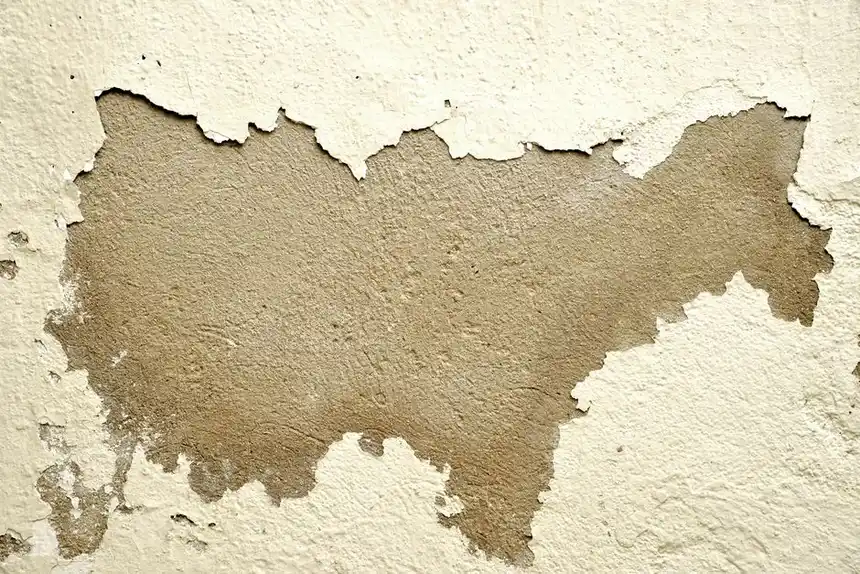
Bubbling paint means water is trapped between the paint and the drywall. The pressure pushes the paint away from the surface. This is common in St. Lucie Village homes after roof leaks or storm-driven rain. If you see bubbles, there is active moisture behind them.
Sagging or soft spots in the ceiling
A sagging ceiling means the drywall has absorbed water and is pulling away from the framing. This is a structural warning. If the sag is more than an inch, the ceiling could collapse. Call us immediately. We support the ceiling first, then find and fix the leak.
Musty smell in a room with no visible leak
A musty smell often means mold is growing behind the ceiling where you cannot see it. In St. Lucie Village, this is common after slow leaks that have been running for weeks. We use thermal imaging cameras to find the moisture source without tearing out the ceiling.
Water dripping from a ceiling light fixture
Water coming through a light fixture means the ceiling cavity above it is saturated. This is an emergency. Turn off the breaker to that fixture and call us. We extract the water, dry the cavity, and inspect the wiring before the ceiling is rebuilt.
Typical 2026 pricing for ceiling water damage repair in St. Lucie Village runs $350 to $1,200 for a small ceiling repair with dry-out, and $1,500 to $4,500 for larger jobs that involve mold remediation, insulation replacement, or structural drying. Emergency calls after hours cost more because we pay technicians overtime. If you need affordable ceiling water damage repair in St. Lucie Village, we give you a written scope with pricing before we start. No surprise charges. We also document everything for insurance, which often covers the full cost minus your deductible.
Basic Service
$89 starting · per visit
Standard Repair
$249 average job
Premium Care
$499 annual plan
St. Lucie Village is a small village, but knowing the landmarks helps us move fast. We use the St. Lucie Village Historic District as a reference point for the older homes along Indian River Drive. The Indian River Lagoon is our eastern boundary, and we know which streets flood first when storms push water over the seawall. Fort Pierce Inlet State Park and the Manatee Observation and Education Center are nearby, and we use those as orientation when routing to calls on the north and south ends of the village. The St. Lucie County Aquarium is another landmark we use when giving directions to customers.
The Historic District covers the oldest part of the village along Indian River Drive. We use it as a reference when routing to calls on the riverfront, since many streets here are narrow and parking is limited.
The lagoon forms the eastern edge of St. Lucie Village. We use it to orient which side of the village a call is on and to anticipate salt-air corrosion on homes closest to the water.
The state park sits just north of St. Lucie Village. We use it as a northern reference point when routing to calls near the inlet side of the village.
The center is a well-known landmark near the village. We use it when giving directions to customers who are not familiar with the smaller streets off Indian River Drive.
Plus surrounding St. Lucie County neighborhoods, with same-day routing on most appointments.
Averaging 4.9 / 5 across verified reviews.
“We had a ceiling leak on Indian River Drive that three other companies could not find. These guys used a thermal camera and found it in 20 minutes. They dried the ceiling for four days and rebuilt it to match the original texture. You cannot tell it was ever damaged. Worth every penny.”
Margaret T.
Indian River Drive
“Called at 10 p.m. after a storm pushed water through our ceiling on Old Dixie Highway. They answered, showed up in about 30 minutes, and had the leak stopped and water extracted that night. Came back the next day to set drying equipment. Professional and fast.”
David R.
Old Dixie Highway
“We had mold starting on a ceiling in our Angle Road home after a slow leak. They contained the area, removed the mold, and replaced the insulation and drywall. The post-remediation test passed the first time. They also gave us a report for our insurance, which made the claim easy.”
Susan M.
Angle Road
St. Lucie Village weather drives ceiling water damage year-round, but the causes shift with the season. If you need 24/7 ceiling water damage repair St. Lucie Village homeowners can count on, here is what we see each season.
Spring brings afternoon thunderstorms and the start of the rainy season. Roof leaks that started as small drips in winter often show up as ceiling stains in April and May. Humidity climbs, so ceiling cavities dry slower.
Tip: Check your attic after the first heavy rain of the season. Look for wet insulation or dark spots on the back of the ceiling drywall. If you see anything, call us for an inspection before mold starts.
Summer is our busiest season for ceiling water damage in St. Lucie Village. Daily storms, high humidity, and hurricane season all hit at once. Ceiling leaks from wind-driven rain and roof failures are common. Mold risk is highest in summer.
Tip: If you lose power during a storm, your AC stops removing humidity. Run a dehumidifier if you have one. If you see a ceiling stain after a storm, call us right away. Mold can start in 48 hours.
Fall brings the tail end of hurricane season and the first cool fronts. Ceiling leaks from summer storms often show up now as brown rings or peeling paint. Humidity drops, which helps ceilings dry faster.
Tip: Fall is a good time to schedule a ceiling inspection if you had any leaks during summer. We can find hidden moisture before it becomes a mold problem. Cooler weather also makes dry-out faster.
Winter is our slowest season for ceiling water damage, but it is not zero. Cold fronts can bring rain, and older roofs in St. Lucie Village may leak at flashing that has been weakened by years of salt air. Humidity is lower, so dry-out is faster.
Tip: Winter is the best time to schedule non-emergency ceiling repairs. We have more availability, and dry-out times are shorter. If you have been putting off a ceiling stain repair, winter is the time to do it.
St. Lucie Village sits just north of Fort Pierce, and we cover the surrounding communities as part of our regular service area. If you are in one of these nearby cities, we can reach you from the same base.
(City)
Downtown Fort Pierce is about 10 minutes south of St. Lucie Village via US-1. Many of our St. Lucie Village customers also own property downtown.
View Downtown Fort Pierce(City)
Hutchinson Island South is across the Indian River Lagoon, about 20 minutes from St. Lucie Village. We handle ceiling water damage calls there regularly.
View Hutchinson Island South(City)
South Beach is about 15 minutes southeast of St. Lucie Village. We serve it from the same Fort Pierce base.
View South Beach(City)
North Beach is just north of Fort Pierce Inlet, about 15 minutes from St. Lucie Village. We cover it on the same routes.
View North Beach(City)
Fort Pierce Inlet is about 12 minutes northeast of St. Lucie Village. We use it as a landmark when routing to calls near the inlet side of the village.
View Fort Pierce Inlet(City)
Lincoln Park is about 10 minutes southwest of St. Lucie Village. We serve it as part of our regular Fort Pierce coverage area.
View Lincoln ParkReal answers from our team for the questions we hear most often before a job starts.
If you have a ceiling leak, stain, or sag in St. Lucie Village, call us now. We answer 24/7 and most emergency calls in the 34946 ZIP get a technician on site within 60 to 90 minutes. We are IICRC certified, Florida licensed, and insured. We have served St. Lucie Village since 2015. One call and we handle the rest, from emergency extraction to final paint.
Call us at 772-362-4722 any time, day or night. We answer live and can dispatch a crew immediately for emergency ceiling water damage in Fort Pierce. You can also email us at info@ceilingwaterdamagerepairfortpierce.com or stop by our office. We serve all of St. Lucie County.
Phone
7723624722Address
2830 Reynolds Dr, Fort Pierce, FL 34945, USA
Hours
Mon–Fri: 7AM – 7PM
Sat: 8AM – 4PM
Sun: Emergency Only
24/7 Emergency Available